Kraken
Industry
Scope of work
/ Concept
/ UI & UX
/ Visual Design
/ Motion
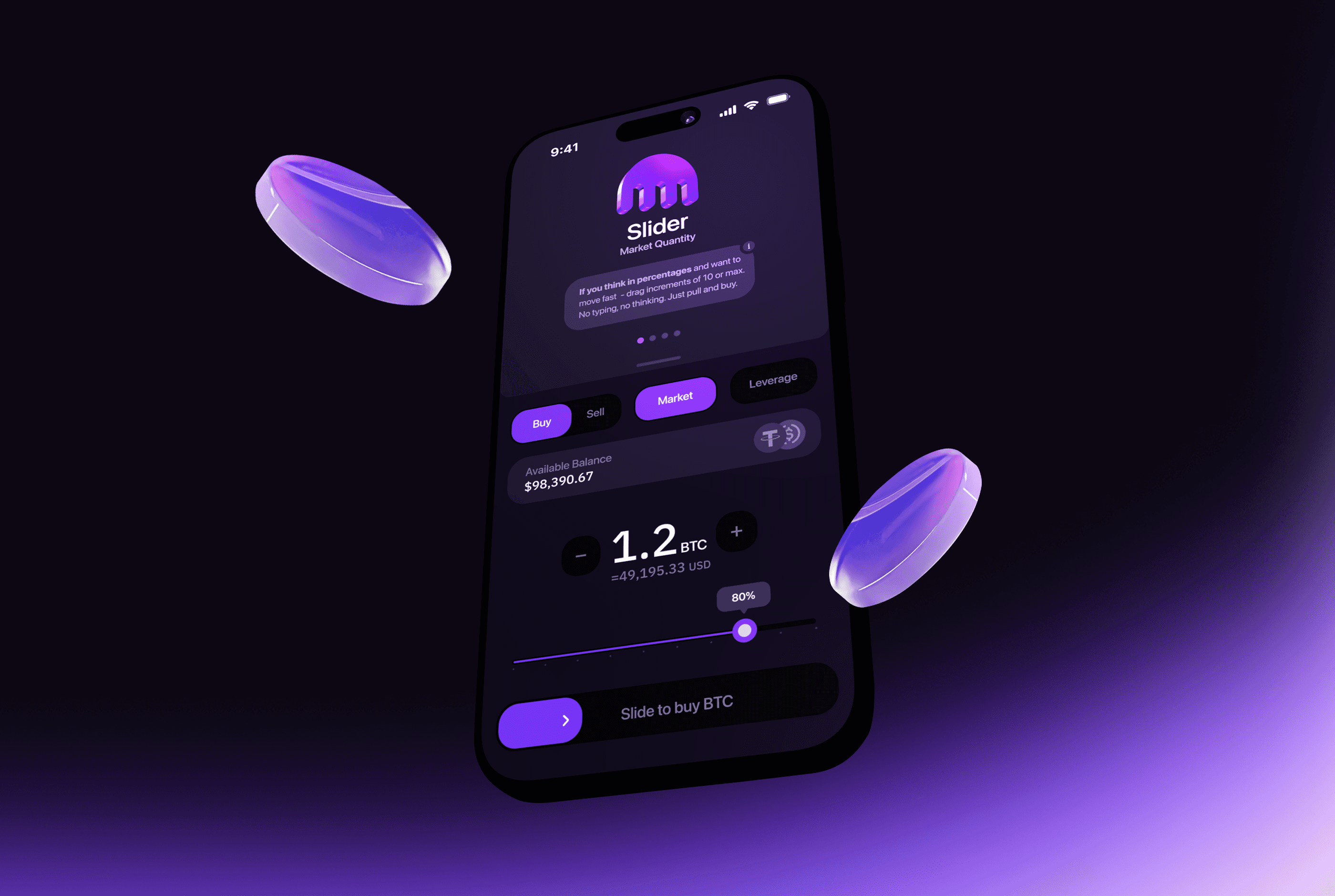
The brief: design for the person who just wants to buy some Bitcoin - not for the trader who already knows how.
Alongside Kraken Pro, Kraken developed a light app - a simplified crypto exchange app for people who wanted to buy and sell without the complexity of a common/professional trading terminal.
Crypto trading interfaces are designed for traders. Tight, dense, data-heavy and tipically built for people who already know what they're doing.
For everyone else, the first question - "how much do I want to buy?" - is already overwhelming. Existing patterns tend to assume knowledge the user doesn't have..
Different users, different models.
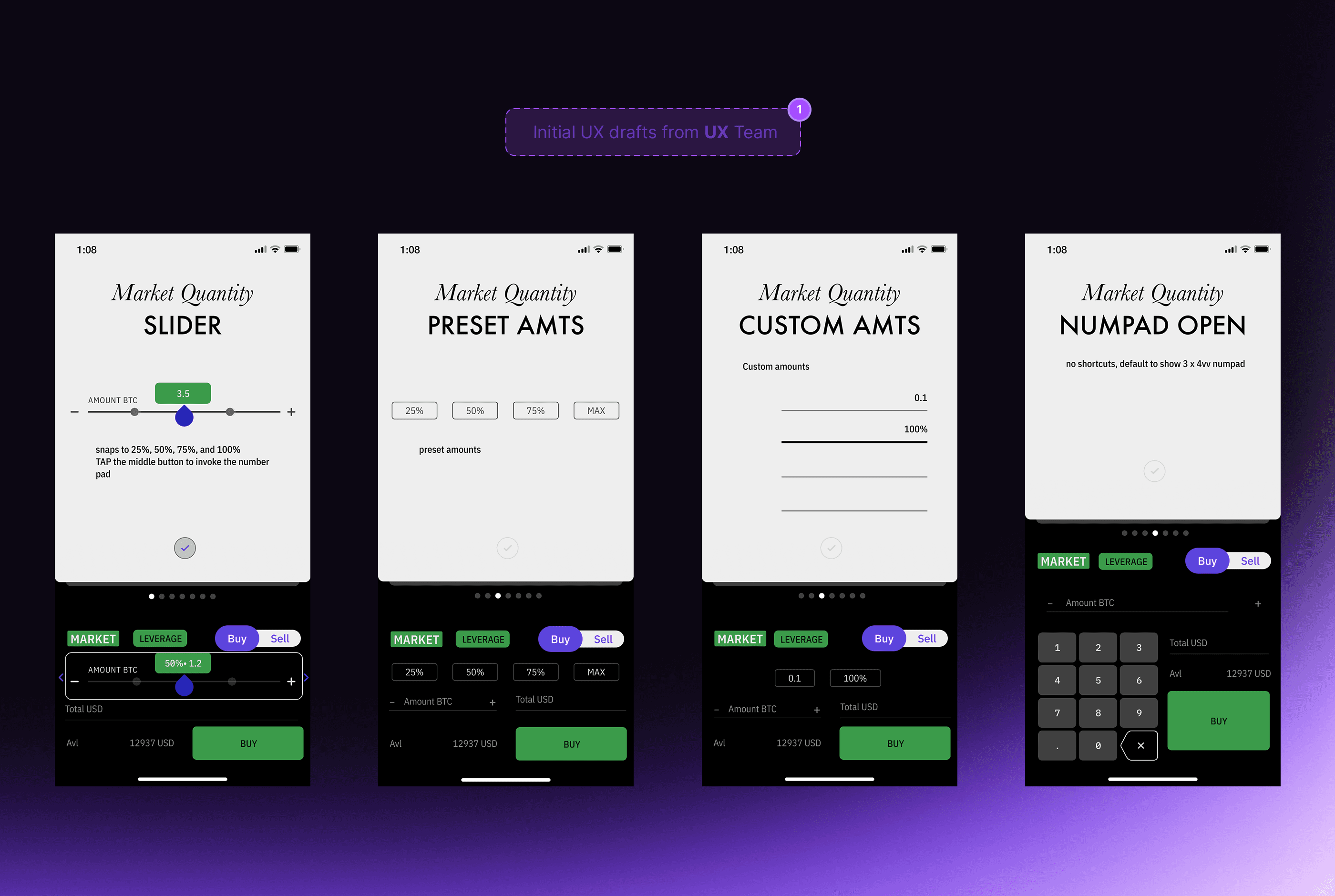
Different users have different mental models for quantity.
Some think in percentages. Some want to type an exact number. Some want a familiar screen. A single input pattern serves none of them well.
The solution wasn't one better input but giving users the choice of their preferred input, and having the interface teaching them the difference.
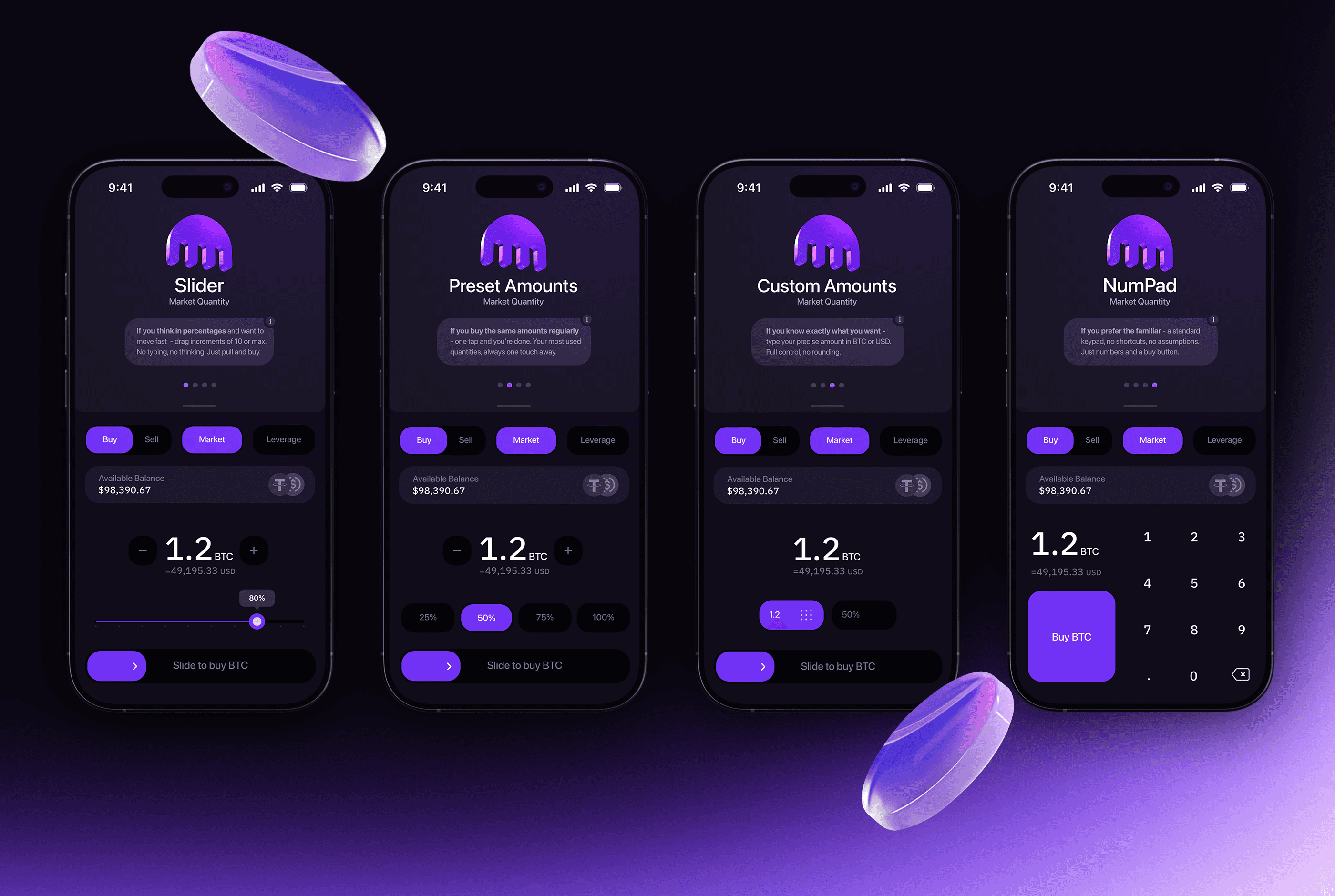
Each pattern designed for a different user. All within the same consistent shell.
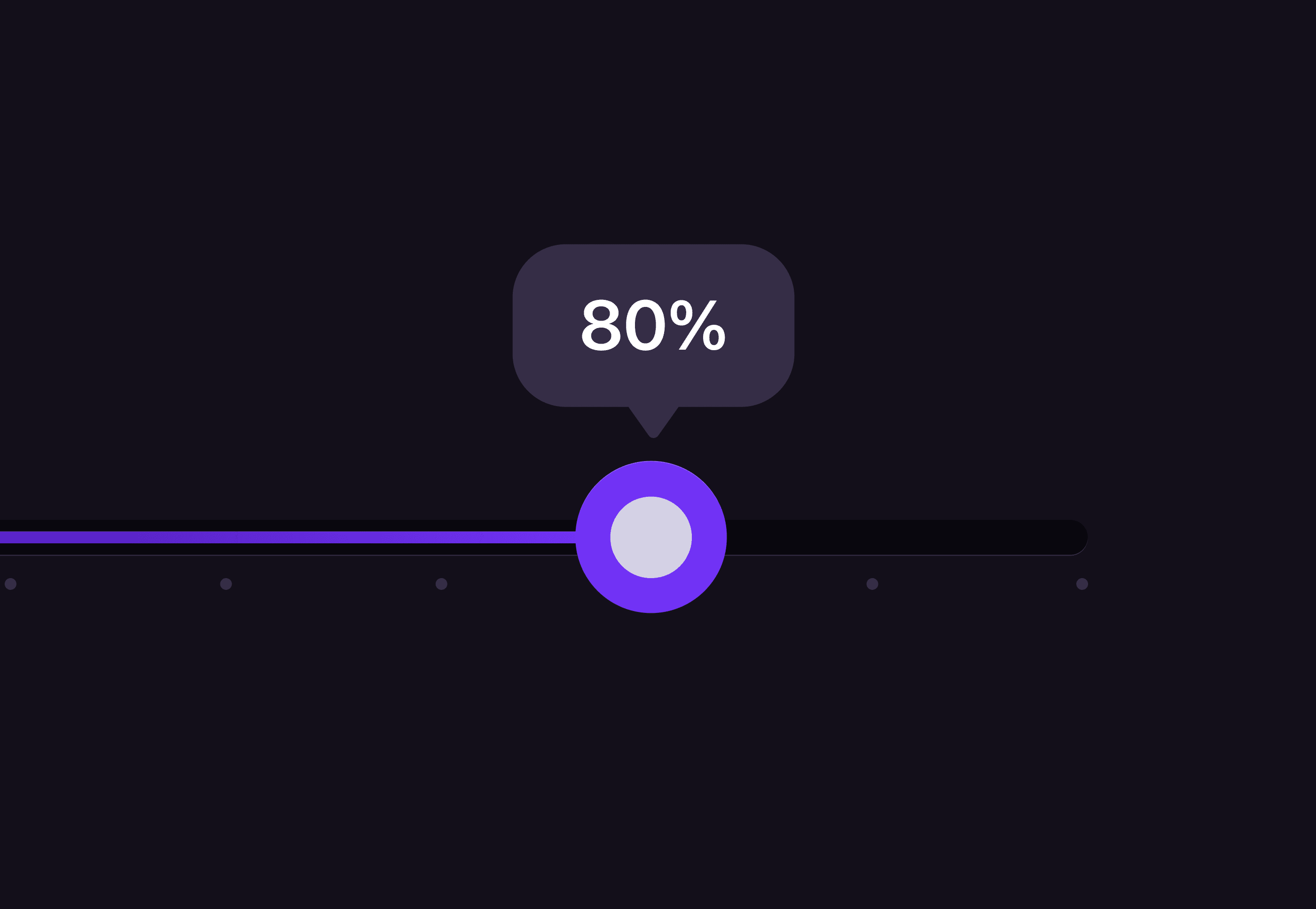
Slider: intuitive, approximate, fast. Snaps to increments of 10%.
Preset Amounts: one tap decisions. No thinking required.
Custom Amounts: for the precise user who knows exactly what they want.
Numpad: default fallback. Familiar, universal, zero learning curve.
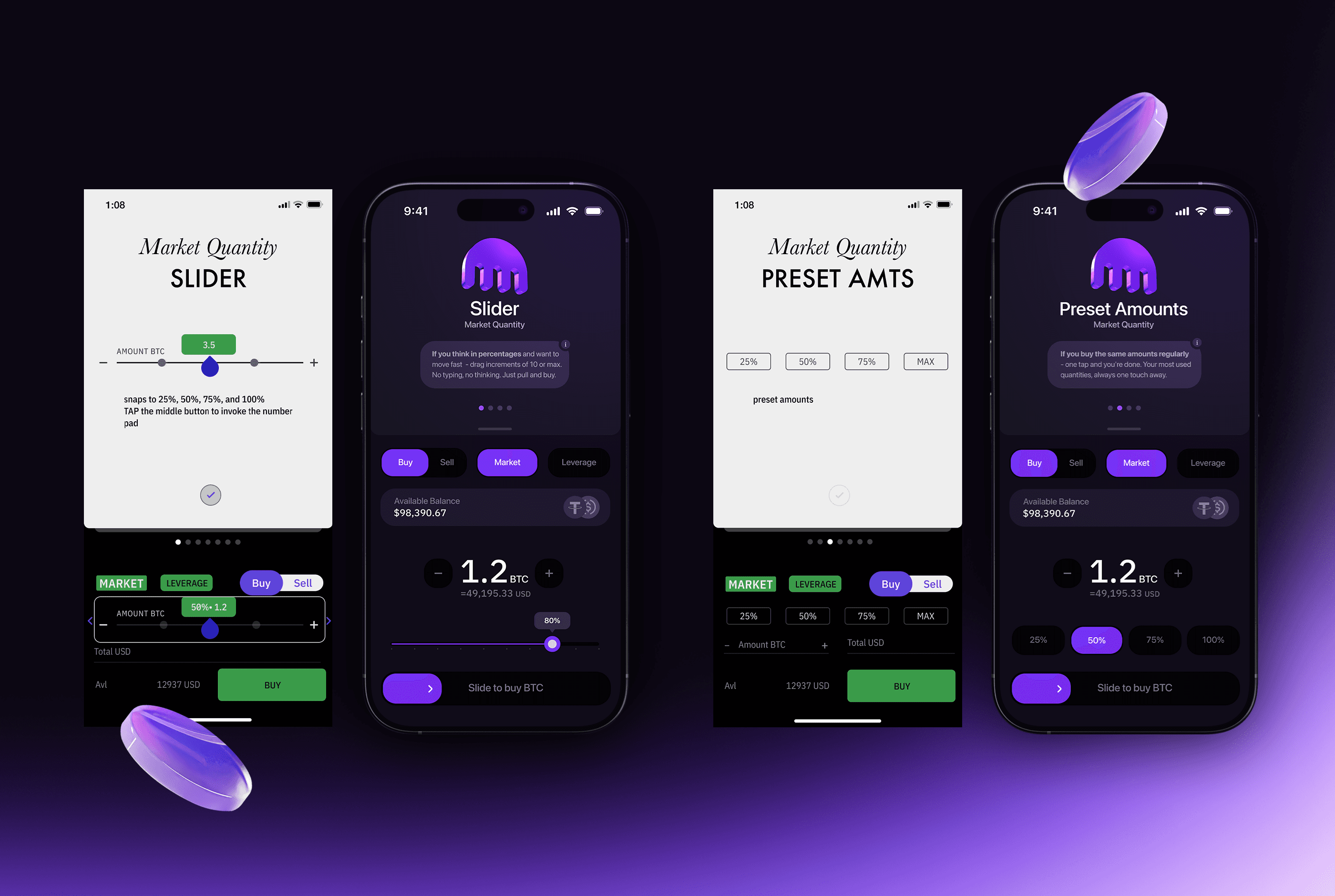
Designing confidence. Reducing anxiety.
Breaking away from the "tight Tetris" approach that defines every trading interface.
Elements given room to breathe. Rounded corners removing the terminal feel.
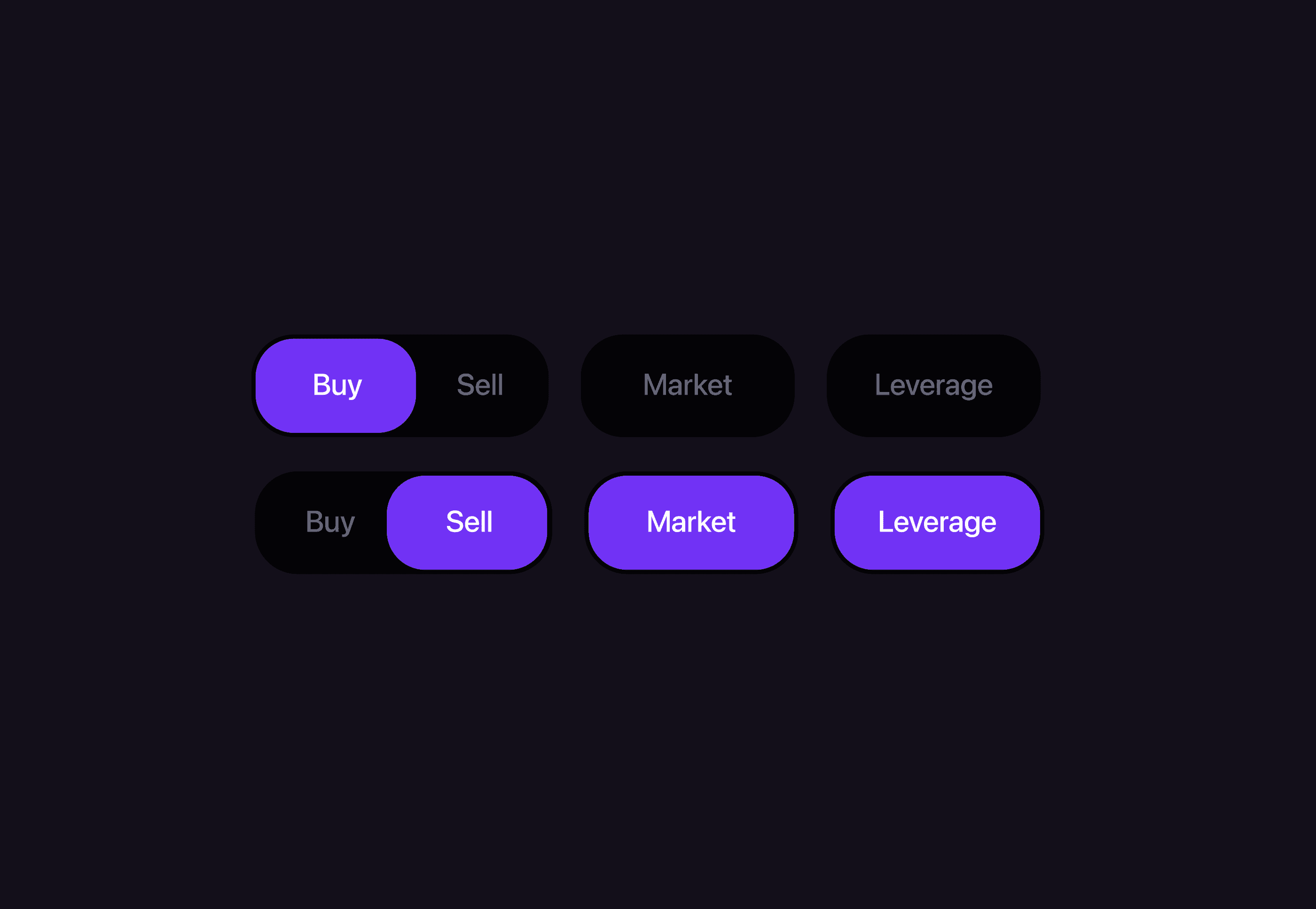
The Buy/Sell toggle preceding the modalities because it represents the first decision in the process. Colour and weight guiding the user from start to finish - making the correlation between choices visible at every step.
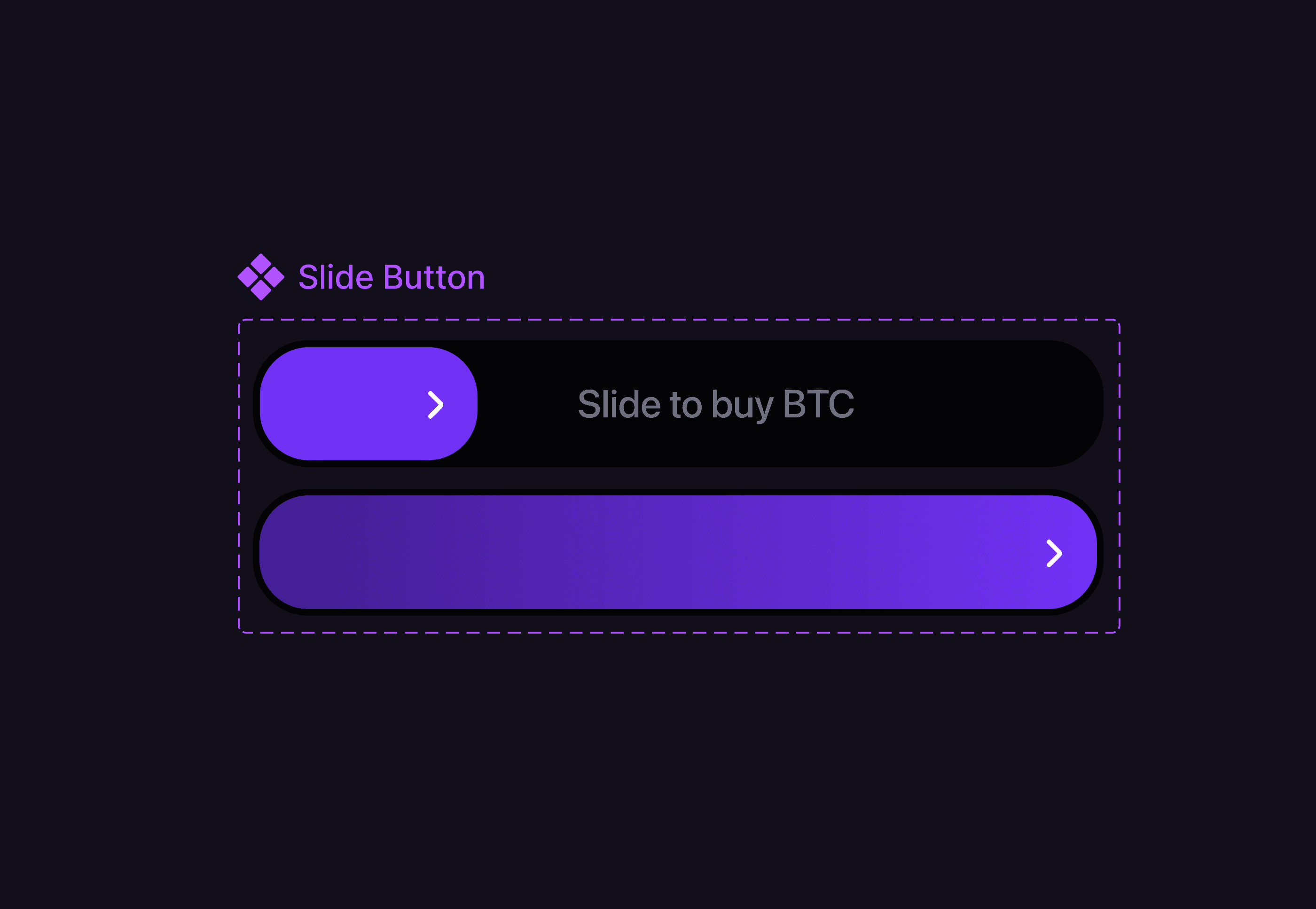
And a swipe-to-confirm button replacing the standard tap, because when real money is involved, accidental confirmation is the last thing a new user needs.
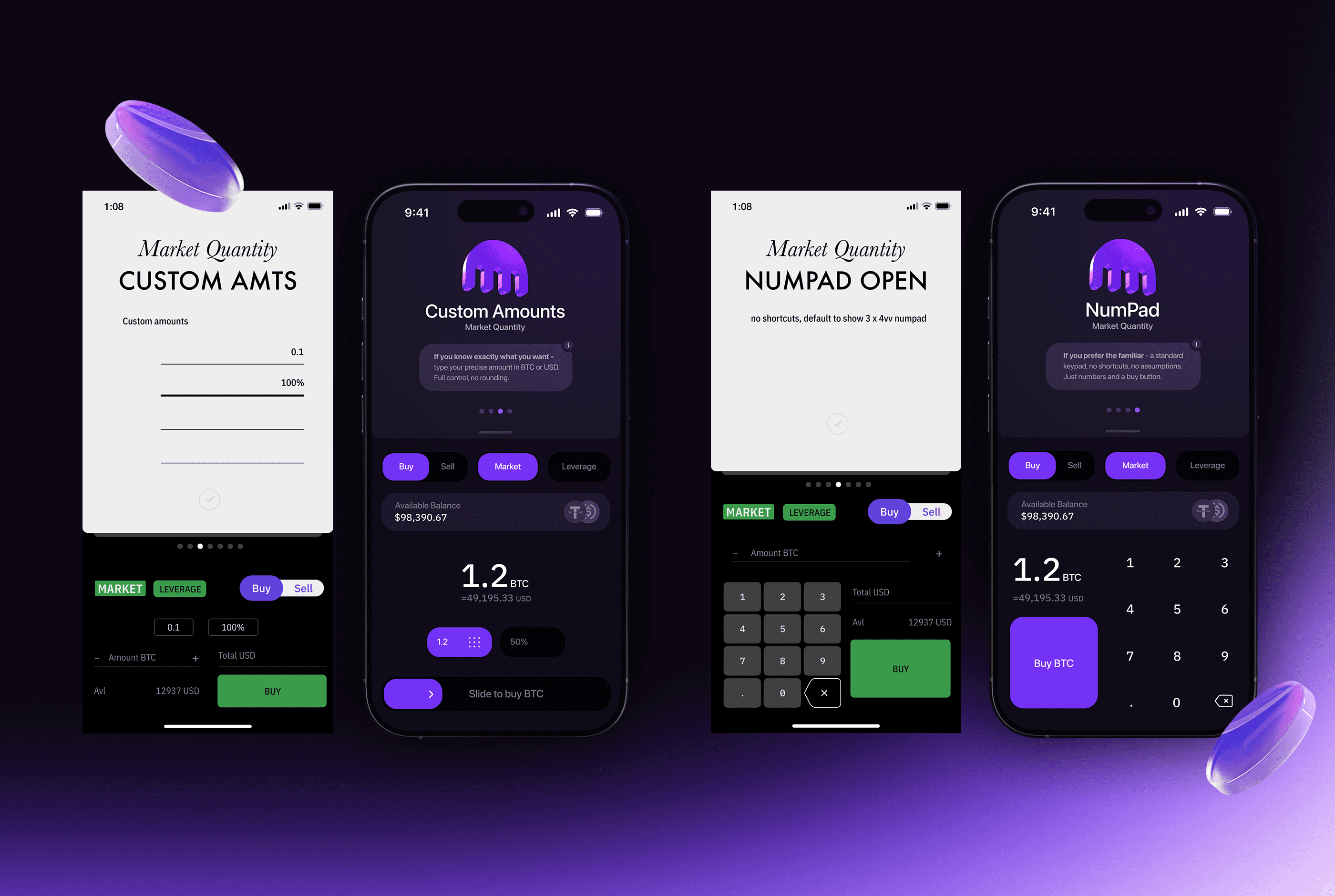
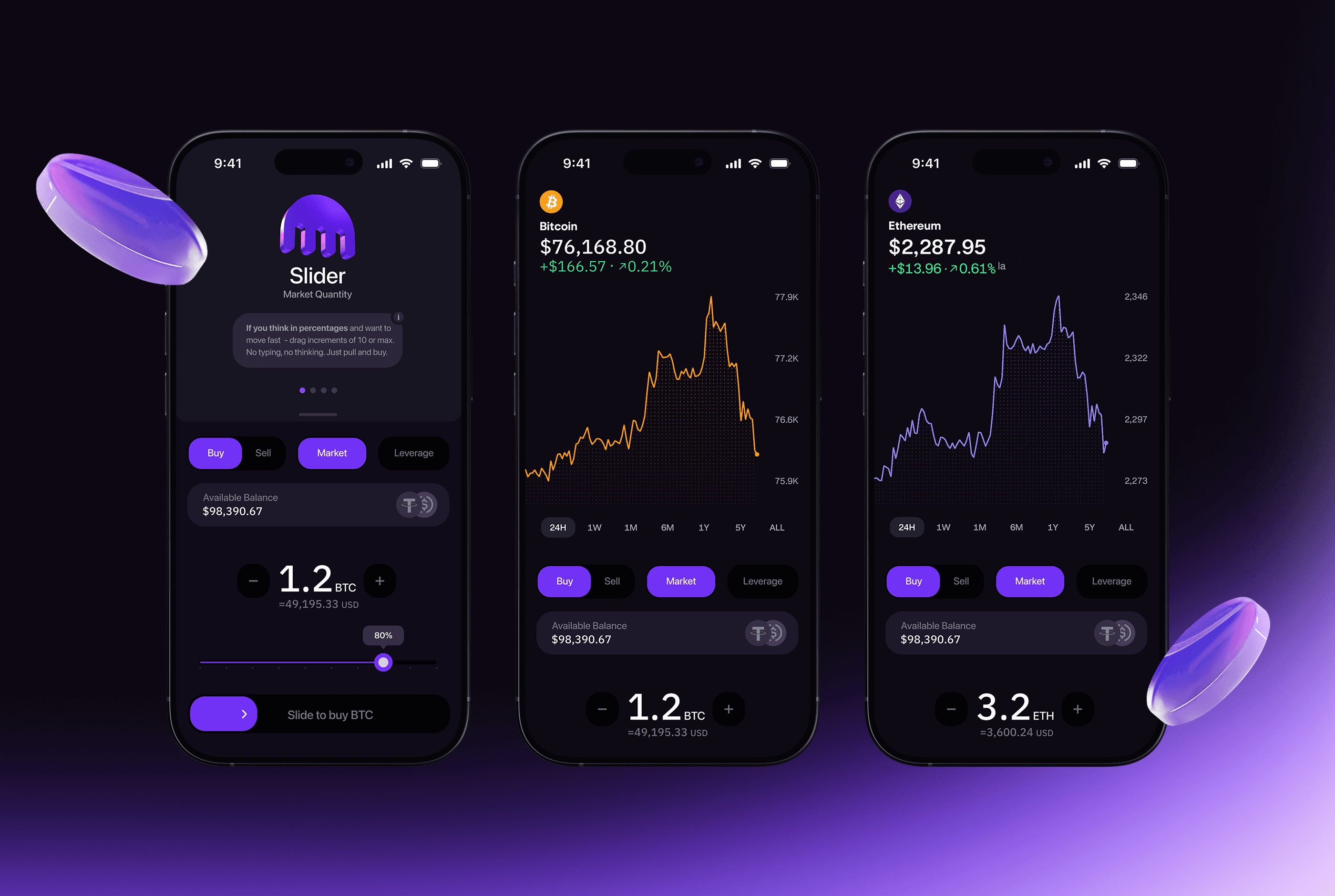
Micro-animations: teaching users through storytelling. Why tutorials are boring and UI animations should replace them.
The animation between picker modes tells the user what just changed and why. The interface around the active component fades gently, directing attention. The transition from one input pattern to another is the tutorial - no onboarding screen needed.
Micro-animations add a layer of playfulness that's deliberately at odds with the serious, high-stakes nature of financial tools. For a new user, that contrast matters - it signals approachability in a space that has historically been anything but.
For someone new to crypto and trading, animations aren't decoration: they're reassurance. A playful, fluid interface signals that this tool was built for them, not for the trader who already knows what they're doing.
Designing for the next billion crypto users.
This is what mass adoption looks like.
Less terminal. More human. Designed for the person who just wants to buy some Bitcoin without feeling like they need a Bloomberg licence first.